


TAVI/TAVR Expert Doctor in Chandigarh
A globally diverse and multifaceted experience
- TAVI/TMVR/MitraClip/TriClip Fellowship at John Hunter Hospital, Newcastle, Australia
- TAVI/MitraClip Fellowship at Medanta Hospital, Gurugram
- TAVI observership at Karolinska University, Stockholm, Sweden
- TAVI/TMVR Fellow course at London Valves, London
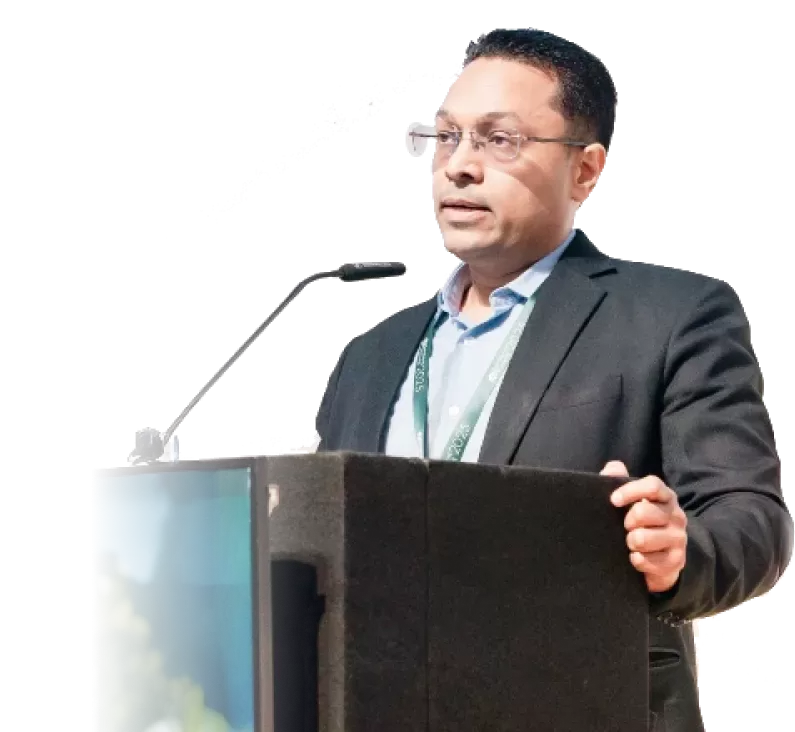
12+ Years Of Experience in Intervention Cardiology


Fellow: Structural Heart Interventions
John Hunter Hospital
Newcastle, Australia
Dr. Amit Gupta is currently serving as a Fellow in Cardiology at John Hunter Hospital / Hunter New England Local Health District, Newcastle, Australia from February 2025 to February 2026. John Hunter Hospital is a renowned tertiary referral center and one of the largest teaching hospitals in New South Wales, known for its cutting-edge cardiology and interventional programs.
- TAVI – treating severe aortic stenosis without open-heart surgery.
- MitraClip – minimally invasive mitral valve repair for high-risk patients.
- Complex Structural Interventions – tricuspid therapies, valve-in-valve, and challenging anatomies.
- Multidisciplinary Cardiac Care – collaborating with top cardiologists, surgeons, and imaging specialists.
By completing this fellowship at John Hunter Hospital, Australia, Dr. Gupta strengthens his role as one of the few cardiologists in India with extensive global exposure in advanced structural heart interventions.


Advanced TAVI & Structural Heart Fellowships
Fellowship & Training at Medanta
The Medicity, Gurugram
This specialized fellowship ensures that Dr. Amit Gupta brings world-class expertise in minimally invasive valve therapies to India, offering patients safer, faster-recovery alternatives to open-heart surgery.
- Advanced TAVR Workshop (24th July 2024)
– Trained under Dr. Praveen Chandra and Dr. Danny Dvir. - Structural Heart Fellowship (Apr–Sep 2024)
– Completed 6-month fellowship at Medanta Heart
Dr. Amit Gupta has undergone extensive training in structural heart interventions at leading international and national centers of excellence.


TAVI Observership
Karolinska University
Stockholm, Sweden
In May 2024, Dr. Amit Gupta completed a focused TAVI Observership at Karolinska University, Stockholm, Sweden, under the guidance of Dr. Nawzad Saleh, a leading authority in transcatheter valve therapies in Europe.
This exclusive observership offered in-depth exposure to advanced techniques in Transcatheter Aortic Valve Implantation (TAVI), patient selection protocols, imaging-based procedural planning, and real-time decision-making in complex valve cases.


Internationally Certified Expertise in TAVI & TMVR
TAVI/TMVR Fellow course
London Valves, London
At SafeHeart, we take pride in offering advanced heart valve treatments led by highly trained specialists. Our expert, Dr. Amit Gupta, has been internationally recognized for his skills in Transcatheter Aortic Valve Implantation (TAVI) and Transcatheter Mitral Valve Replacement (TMVR).
Dr. Gupta successfully attended the prestigious PCR London Valves Fellowship Courses in London, UK (2023).
Feel the Difference with
a Second Opinion for TAVI
Ensure your heart gets the right care with expert guidance.
- Upload Your CT Scan & Clinical Data
Securely share your reports for a detailed assessment. - Receive a Review from a TAVI Expert
Get personalized insights from leading specialists to make confident decisions.
Take an informed step toward the best treatment for your heart.
 Get a consultation
Dr. Amit Gupta
12+ Years of Experience in Interventional Cardiology
Restore Your Heart Health with Expert Care
overview
What is TAVI?
As per the TAVI doctor in Chandigarh, TAVI, a Transcatheter Aortic Valve Implantation, is a new way to replace a damaged or narrowed aortic valve without having to undergo open-heart surgery. This treatment is less invasive, so you heal faster, feel less pain, and stay in the hospital for a shorter time. TAVI has become the preferred treatment for patients in Chandigarh with severe aortic stenosis because it improves heart function without the risks of traditional surgery.

Definition of TAVI
TAVI (Transcatheter Aortic Valve Implantation), which is also called TAVR, is a new way to fix a narrowed aortic valve. TAVI experts in Chandigarh use advanced imaging and catheter-based technology to implant a new valve within the old, damaged one. This helps the heart work better and return blood flow to normal without having to undergo open-heart surgery.

Purpose of TAVI
The TAVI Procedure in Chandigarh is primarily advised for patients with severe aortic stenosis. If this condition isn't treated right away, it could cause serious problems like heart failure or a stroke. If you have chest pain, shortness of breath, dizziness, or fatigue, you should see a TAVI specialist. Early treatment can help keep your heart healthy over the long term and prevent problems.

Procedure overview
The procedure of TAVUI starts with putting a thin catheter through the femoral artery in the groin. This catheter takes the new valve to the heart. A TAVI doctor in Chandigarh uses imaging technology to carefully guide the valve into the damaged valve. The new valve starts working right away after it is put in place. It lets blood flow normally, which helps patients heal faster with less pain.

TAVI vs Open-heart surgery
There are many benefits to Transcatheter Aortic Valve Implantation (TAVI) over traditional open-heart surgery, like smaller cuts, a lower risk of infection, fewer problems, and a shorter hospital stay. It is very useful for older people or people who are at high risk and may not be able to handle major surgery. Many patients get safe and effective results from the procedure when it is done by experienced TAVI experts in Chandigarh.
TAVI Procedure in Chandigarh
How does TAVI work
TAVI (Transcatheter Aortic Valve Implantation) is a modern and minimally invasive procedure used to replace a damaged aortic valve without open-heart surgery. It is often recommended for elderly patients or people who are at high risk for traditional surgery. With advanced technology and careful planning, TAVI Doctors in Chandigarh perform this procedure to improve heart function and help patients return to a more active life.
Evaluation and Diagnosis
Before performing TAVI in Chandigarh, doctors carry out several tests to understand the patient’s heart condition. These may include echocardiography, CT scans, and sometimes cardiac catheterization. These tests help determine how severe the aortic valve narrowing is and whether TAVI is the right treatment option. Based on the results, the TAVI Doctor in Chandigarh carefully plans the procedure to ensure safe and effective treatment.

Accessing the Heart
Once the patient is prepared, the TAVI Specialist in Chandigarh decides the best way to reach the heart. In most cases, the catheter is inserted through the femoral artery in the groin. In some situations, a small incision near the chest may be used. Because the procedure is minimally invasive, it avoids the need for open-heart surgery and usually allows a faster recovery.

Guiding the Catheter
During the procedure, a thin and flexible catheter carrying the artificial valve is inserted into the artery. Using advanced imaging technology, TAVI Experts in Chandigarh carefully guide the catheter through the blood vessels until it reaches the heart. This step requires precision so that the valve is placed accurately and the surrounding structures remain safe.

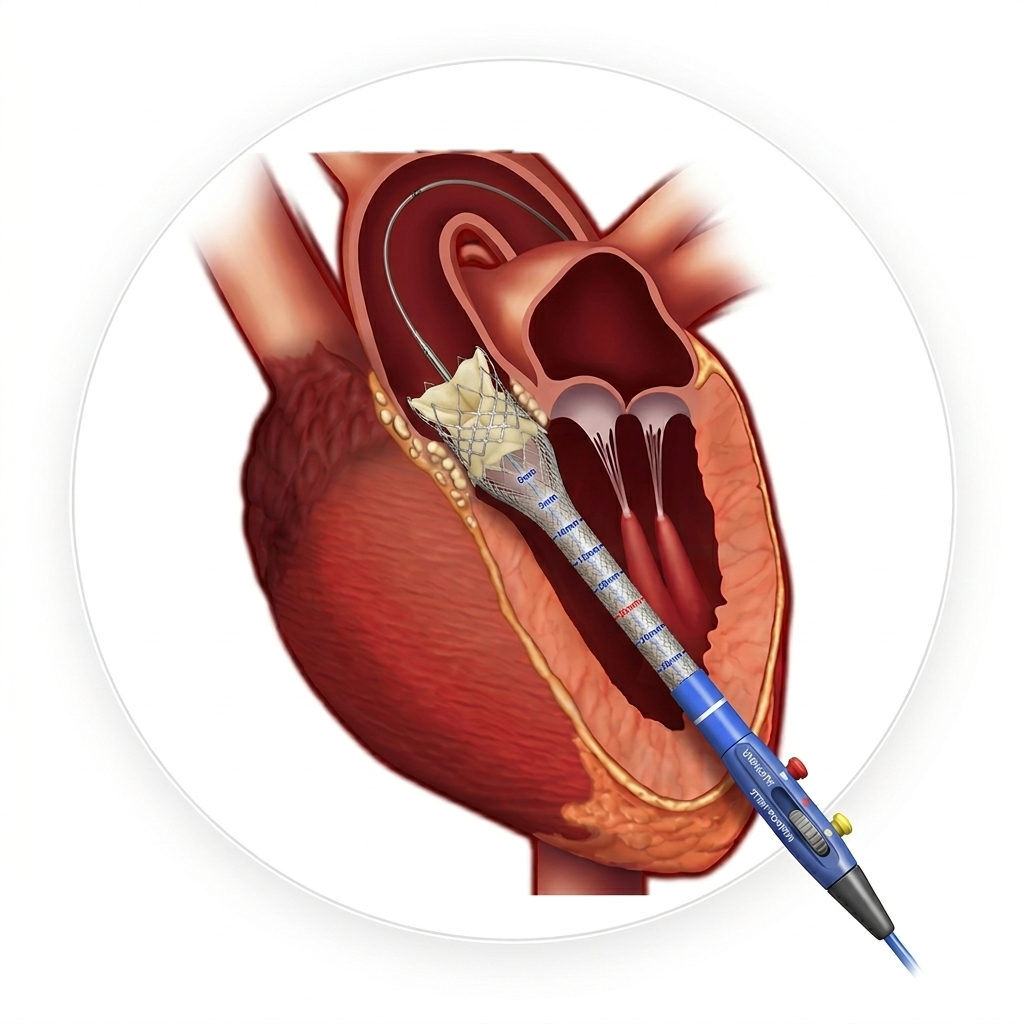

Placing the New Valve
Once the catheter reaches the heart, the new valve is positioned inside the old, narrowed valve. The replacement valve either expands on its own or is expanded using a small balloon. As it opens, it pushes the damaged valve aside and takes over its function, allowing the heart to pump blood more efficiently.

Restoring Normal Blood Flow
After the new valve is properly placed, it begins working immediately. Blood can now flow normally from the heart to the rest of the body. The TAVI Doctor in Chandigarh checks the position and performance of the valve using imaging before completing the procedure to ensure everything is functioning correctly.

After the Procedure: Care and Recovery
After undergoing TAVI in Chandigarh, patients are usually observed in the hospital for a short period to monitor their recovery. Many people start feeling better within a few days, with improved breathing, more energy, and reduced chest discomfort. The TAVI Specialist in Chandigarh also provides guidance on medications, lifestyle changes, and follow-up visits to support long-term heart health.

12+
Years of experience
MEET OUR TAVI Expert Doctor
Dr. Amit Gupta
Structural & Interventional Cardiologist
DM Cardiology - GB Pant Hospital, Delhi
Structural Fellowship - John Hunter Hospital, Australia
12+ Years Of Experience in Intervention Cardiology
Dr. Amit Gupta is a renowned Interventional Cardiologist in Jaipur with more than 12 years of clinical experience in cardiac care. At present, he is working as the HOD – Structural Heart Interventions at Manipal Hospital, Jaipur. He was trained in cardiology and intervention at the famous G. B. Pant Hospital, MAMC, New Delhi, which is one of India's leading cardiac institutes. Dr. Amit Gupta's expertise encompasses pacemaker, ICD, and CRT implantations, balloon Valvoplasty, peripheral angioplasty, ASD and PDA device closure, and diagnostic electrophysiology studies. In the future, we will gain from his unique insights as a pioneering TAVI Doctor in Chandigarh who successfully treated many patients with severe aortic stenosis using minimally invasive techniques. His patient-centered approach and a focus on modern, less invasive treatments help ensure safer procedures and improved recovery outcomes.
Benefits
Benefits Of Transcatheter Aortic Valve Implantation


1
Faster relief without open-heart surgery
TAVI surgery in Chandigarh provides patients with immediate relief from chest discomfort, breathing problems, and dizziness without an open-heart surgery (major chest incision). Improvements are often seen within a few days, and people are back to their regular lives significantly faster than with traditional surgery.
2
Improved energy and an active lifestyle
Most patients after TAVI feel more energetic, less fatigued, and find their daily activities easier to accomplish. This increase in energy aids in an improved quality of life by allowing them to be more active and independent.
3
Safer option for high-risk patients
TAVI surgery in Chandigarh is a far safer alternative, particularly in older adults or those who are not fit for open-heart surgery. This reduced invasiveness lowers the risk of complications, allows for a shorter hospital stay, and minimizes recovery stress, making it one of the best tools for use in high-risk patients.
4
Expert care and long-term benefits
If you are choosing a TAVI hospital in Chandigarh, you are ensuring that you are in the hands of well-qualified specialists with advanced treatment technology. Patients navigate every step of the way from diagnosis all the way to recovery. As a result, people often have healthier and more engaging lives, with improved heart function and fewer long-term problems.
Why Choose
Why Choose Dr. Amit Gupta for TAVI Treatment?
If you are looking for a TAVI expert in Chandigarh, then Dr. Amit Gupta is the best doctor who has treated TAVI with extreme proficiency. With his effective treatment results and patient-centric method, he gives you the best results so that your quality of life and heart condition improve. So, let’s see some of the factors why you chose Dr. Gupta for heart disease conditions:
 1
1
Expert in Modern Valve Therapies
Dr. Amit Gupta is the best TAVI doctor in Chandigarh, who has great expertise in treating complex aortic valve diseases. His skill enables proper valve placement, quicker recovery, and sustained results using innovative transcatheter methods as well as patient-centered cardiac care.
 2
2
Latest Medical Technology and Facilities
At the top TAVI Hospital in Chandigarh, Dr. Amit Gupta conducts procedures with innovative imaging and high-precision catheter technology. This new setup will result in lower complications, more safety, optimal treatment results, and the latest developments in treatments for all cardiac patients.
 3
3
Holistic and Patient-Centric Care
Being a TAVI Doctor in Chandigarh, Dr. Amit Gupta focuses on creating tailor-made treatment plans and keeping the communication clear and transparent so that the patient feels emotionally satisfied to have chosen him as their doctor for undergoing TAVI, ensuring a confident consultation to recovery.
 4
4
Successful Outcomes and Quick Recovery
At the most reliable center for TAVI Surgery in Chandigarh, Dr. Amit Gupta has delivered great success rates among high-risk and elderly patients to help them recover fast and improve their heart strength with minimal risk.
OUR VIDEOS
What Our Patients Say
Read all about the experiences and success stories from patients. See how many lives have been transformed by our experienced TAVI specialist in India through the TAVI/TAVR procedure.


Request An Appointment
We Will Send You A Confirmation Within 24 Hours. Emergency?
Get in there to Reach
Get Direction to the Safe Heart Clinic
OUR GALLERY
View Gallery Photos of Dr. Amit Gupta (TAVI Doctor in Chandigarh)
View all the photos of Dr. Amit Gupta's awards, honors, and case study photos.


OUR TESTIMONIAL
What Our Patients Say
Check all our patient reviews and testimonials and know what our patients say about us and our treatments.

 View All Review
BOOK AN APPOINTMENT
Dr. Amit Gupta
If you are looking for an appointment with Dr. Amit Gupta, below are the complete details so that you can easily book an appointment and get your treatment and consultation.


Manipal Hospital, Jaipur
HOD - Structural Heart InterventionsMake an Appointment
Contact us for any Cardiologist Help
FAQs
Transcatheter Aortic Valve Implantation, or TAVI, is a heart surgery that uses a small incision to replace a damaged or narrowed aortic valve. Instead of cutting open the chest, doctors put a thin catheter through a blood vessel, usually from the groin, and put a new valve inside the old one. This helps get blood flowing normally again and makes the heart work better.
TAVI is mostly used to treat severe aortic stenosis, which is when the aortic valve gets stiff and narrow. This stops blood from moving properly from the heart to the rest of the body. If you don’t get treatment, it can cause serious problems like heart failure or fainting.
TAVI is usually suggested for older adults or people who are thought to be at high risk for open-heart surgery. But doctors now also think about it for some patients who are at moderate risk. Before recommending the procedure, a cardiologist will look at the patient’s overall health, symptoms, and heart condition.
The procedure usually takes 1 to 2 hours, but it can take longer or shorter depending on the patient’s health and the case’s difficulty. Because it is minimally invasive, the treatment usually takes less time than traditional valve replacement surgery.
Chest pain, shortness of breath, dizziness, fatigue, or fainting are some of the symptoms that people with severe aortic stenosis may have. If you have these symptoms, you should see a heart specialist right away for an evaluation and treatment.
Most patients stay in the hospital for two to five days after the surgery so that doctors can keep an eye on how well they are healing. Most of the time, patients can sit up and start walking the day after the treatment.
It usually takes less time to recover from TAVI than from open-heart surgery. Depending on their overall health and medical advice, many patients start to feel better within a few days and are back to their normal routine within 2 to 3 weeks.
