Dr. Amit Gupta

Pacemaker Implantation in Jaipur

Get expert care for pacemaker implantation in Jaipur with Dr. Amit Gupta. He provides personalised treatment for patients with heart rhythm problems, helping the heart maintain a steady and regular beat. Book your consultation today.

Overview

Advanced Pacemaker Implantation for Better Heart Rhythm Management

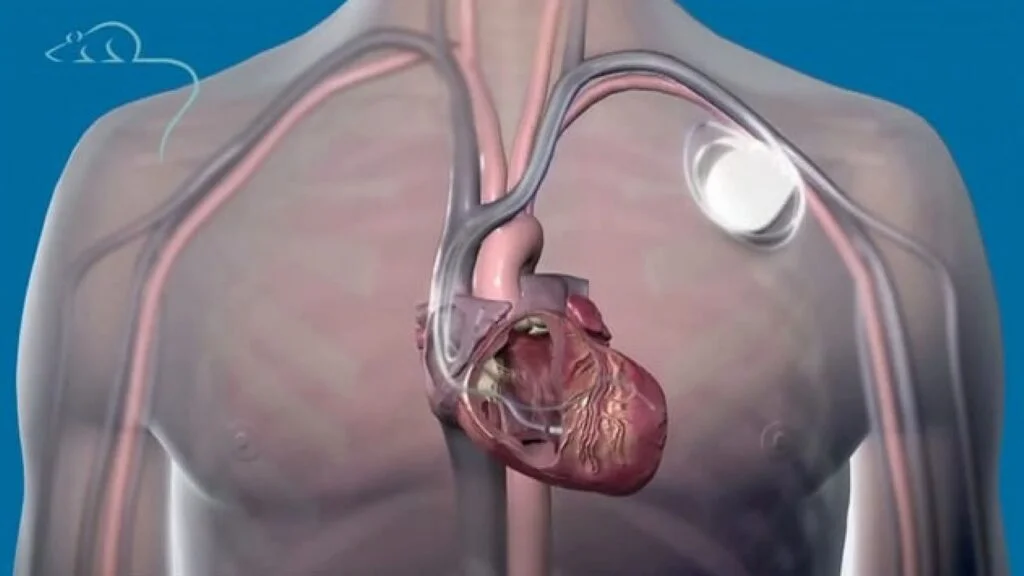
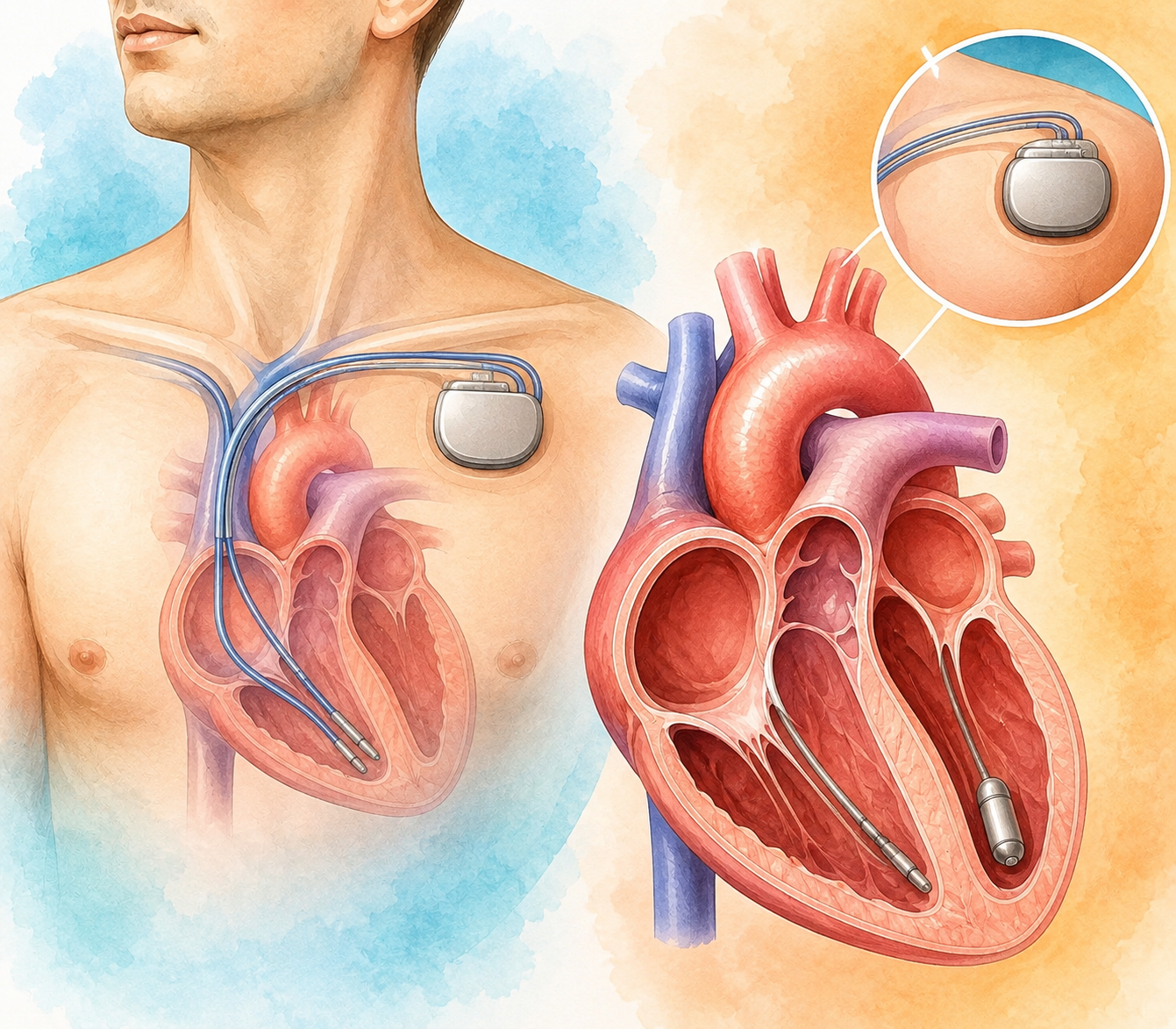
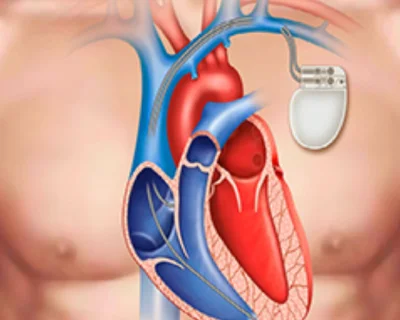
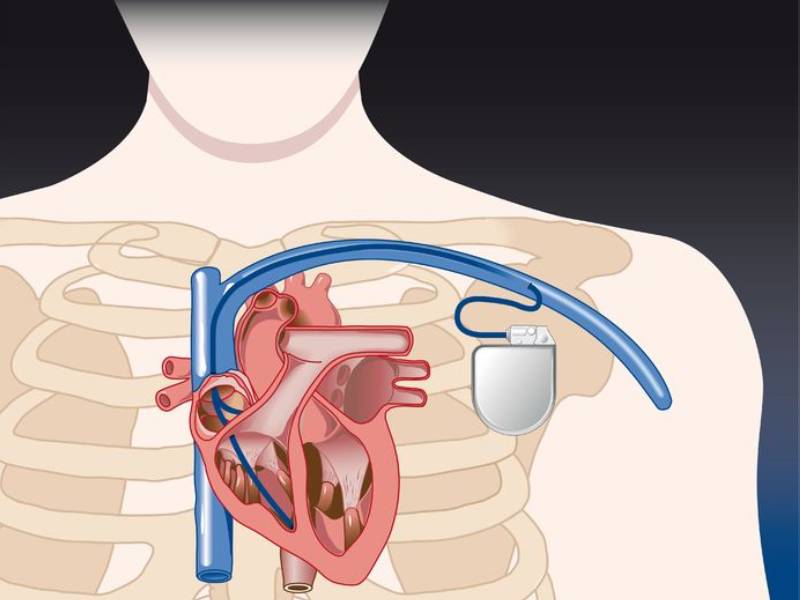
A pacemaker is a small electronic device that helps control the heartbeat when the heart beats too slowly or irregularly. It is placed under the skin, usually near the collarbone, and connected to the heart through thin wires called leads. These leads send electrical signals to maintain a steady heartbeat. Pacemaker implantation in Jaipur is recommended for patients with certain heart rhythm problems that may cause dizziness, fainting, tiredness, chest discomfort or breathlessness. The procedure is generally performed under local anaesthesia through a small incision and does not require traditional open-heart surgery. Before recommending treatment, the doctor checks the patient’s heart condition through tests such as an ECG and other required investigations. After implantation, patients receive guidance on device care, follow-up visits and daily activities. Consult Dr. Amit Gupta for proper evaluation and treatment guidance.

What is pacemaker implantation?

Your heart works around the clock, beating thousands of times every day without asking for a break. But what happens when it starts beating too slowly or misses its regular rhythm? This is where a pacemaker can help. Think of it as a small helper that keeps track of your heartbeat and gives it a gentle electrical signal whenever it needs support.

 Doctors may suggest this treatment for people who experience dizziness, fainting, unusual tiredness, breathlessness or other problems related to a slow heart rate. During the procedure, a small electronic device is placed under the skin near the collarbone and connected to the heart through thin wires called leads.

 These leads help maintain a steady heartbeat by sending electrical signals when required. Pacemaker placement in Jaipur is an option for patients who need this treatment. The procedure is generally performed under local anaesthesia and does not involve traditional open-heart surgery.

Depending on the patient’s heart condition, a single-chamber, dual-chamber or another suitable pacemaker may be recommended. With proper medical guidance, regular device checks and a few precautions, patients can return to many of their usual activities with greater confidence.

Benefits of Pacemaker Implantation

Pacemaker surgery in Jaipur helps people with certain heart rhythm problems maintain a steady heartbeat and manage symptoms that affect their daily lives. Some of the key benefits include:

  • Helps maintain a steady heartbeat when the heart beats too slowly.
  • Reduces episodes of dizziness, fainting and sudden weakness caused by a slow heart rate.
  • Helps improve energy levels and reduces unusual tiredness.
  • Makes everyday activities like walking, climbing stairs and working easier for many patients.
  • Helps the heart pump blood more effectively by maintaining a suitable heart rate.
  • Reduces breathlessness caused by certain slow heart rhythm problems.
  • Provides long-term support by monitoring the heartbeat and sending electrical signals when needed.
  • Helps patients feel more confident about returning to their normal daily activities.
  • Can improve overall quality of life when symptoms are caused by a slow heartbeat.

With proper evaluation, pacemaker implantation in Jaipur can help patients manage certain heart rhythm problems and return to a more comfortable, active life.

Dr. Amit Gupta

12+

Years Of
Experience
MEET YOUR PACEMAKER SPECIALIST

Dr. Amit Gupta

Structural & Interventional Cardiologist
DM Cardiology - GB Pant Hospital, Delhi
Structural Fellowship - John Hunter Hospital, Australia
12+ Years Of Experience in Intervention Cardiology

548 Reviews

15000K Cardiac Interventions

Dr. Amit Gupta has over 12 years of experience in Interventional Cardiology and expertise in diagnosing and treating various heart conditions. He holds a DM in Cardiology from G. B. Pant Hospital, Delhi, and has completed a Structural Fellowship at John Hunter Hospital, Australia. He focuses on understanding each patient’s heart condition, recommending suitable treatment and explaining the procedure and recovery process. Patients looking for pacemaker implantation in Jaipur can seek his guidance for proper evaluation and personalised cardiac care.

About Doctor

How to Prepare for Pacemaker Implantation

Preparing for heart pacemaker surgery in Jaipur involves a few simple but important steps to ensure the procedure goes smoothly. Your doctor will review your medical history, current medicines and overall heart health.  Some tests may also be required to check your heart condition, including:

  • ECG: To check your heart rhythm.
  • Echocardiogram: To examine the heart’s structure and function.
  • Chest X-ray: To check the heart and lungs.
  • Blood tests: To assess your general health.
  • Holter monitoring: To record your heartbeat over 24 hours or longer and detect irregular rhythms.


Before undergoing a pacemaker procedure in Jaipur, follow your doctor’s instructions carefully, share details of your current medicines and discuss any concerns. Proper preparation helps your medical team plan the procedure safely and supports a smoother treatment and recovery process.

image

What to Expect During a Pacemaker Implant Procedure in Jaipur

What to Expect During a Pacemaker Implant Procedure in Jaipur

A pacemaker implantation is usually performed in a hospital’s cardiac catheterisation lab or operating room. The procedure generally takes 1–2 hours, depending on the type of pacemaker and the patient’s condition. Local anaesthesia is used to numb the area, and sedation may be given to help the patient feel comfortable. Throughout the procedure, the medical team monitors the heart rate, blood pressure, breathing and oxygen levels.

During a pacemaker operation in Jaipur, the cardiologist generally follows these steps:

  • Makes a small incision: A small cut is made below the collarbone, usually on the left or right side of the chest.
  • Creates space for the device: A small pocket is made under the skin to hold the pacemaker.
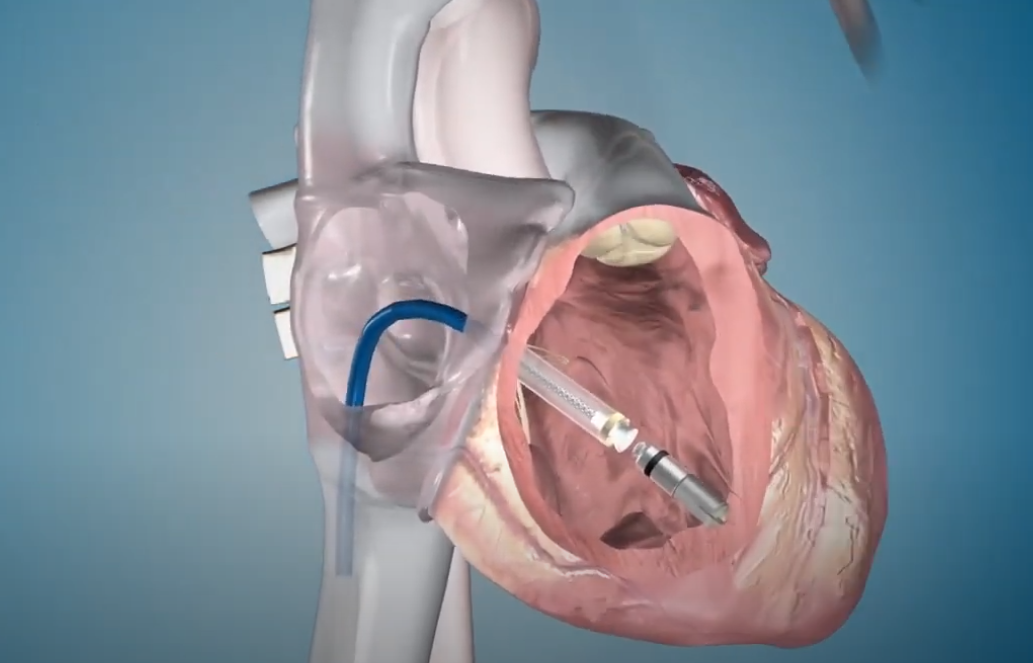
  • Inserts the leads: Thin insulated wires called leads are guided through a vein towards the heart with the help of X-ray imaging.
  • Positions the leads: The leads are carefully placed inside the appropriate heart chambers to deliver electrical signals.
  • Connects the pacemaker: The leads are connected to the small electronic device, which is placed under the skin.
  • Tests the device: The cardiologist checks the pacemaker settings and ensures that it is working properly.
  • Closes the incision: Once everything is checked, the incision is closed with stitches and covered with a dressing.

After the pacemaker placement in Jaipur, patients are monitored for some time to check the device’s functioning and recovery. The doctor also explains wound care, arm movement restrictions, and follow-up visits to help patients recover safely.

Pacemaker Recovery and Aftercare

Recovery after pacemaker implantation usually takes a few weeks. Pacemaker treatment in Jaipur includes regular monitoring and proper aftercare to ensure the device works correctly.

Stay in the hospital for monitoring as advised by your doctor. Keep the incision clean and dry, and avoid heavy lifting and excessive arm movement for the period recommended by your doctor. Take prescribed medicines as directed.

Attend follow-up visits to check the device settings, battery and leads. Gradually return to daily activities as advised by your doctor. Carry your pacemaker identification card and inform healthcare professionals about your device before medical procedures.

With proper care and regular check-ups, patients can gradually return to their daily activities. Dr. Amit Gupta provides guidance and follow-up care for patients undergoing pacemaker implantation in Jaipur, helping them manage their heart health with confidence.

OUR VIDEOS

What Our Patients Say

View all the videos of our patient testimonials and health tips videos by Dr. Amit Gupta (Interventional Cardiologist in Jaipur)

Health Tips Video

What is TAVI Procedure? | Aortic Valve Replacement Without Open Surgery

TAVI एक कम चीरे वाली (मिनिमली इनवेसिव) प्रक्रिया है। इसमें नया वाल्व एक पतली ट्यूब (कैथेटर) के जरिए पैर की बड़ी नस, या कभी-कभी कंधे या गर्दन की नस से दिल तक पहुंचाकर लगाया जाता है।

Health Tips Video

High Risk Heart Patient का सफल Treatment | Real Patient Feedback

गंभीर Heart Attack, Heart Failure और दिल की नसों में multiple blockage होने के बाद क्या इलाज संभव है? खासकर तब, जब मरीज की उम्र ज्यादा हो और Bypass Surgery भी high risk होने की वजह से संभव न हो।
इस वीडियो में श्री रामनरेश शर्मा जी और उनके पुत्र मनोज शर्मा जी अपना वास्तविक अनुभव साझा कर रहे हैं।

Health Tips Video

Heart Stent के बाद कमजोरी? जानिए इसकी असली वजह

स्टेंट लगने के बाद कमजोरी आती है? क्या स्टेंट दोबारा ब्लॉकेज कर सकता है?
हार्ट पेशेंट्स के बीच ये दोनों सवाल बहुत आम हैं। कई लोगों को लगता है कि स्टेंट लगने के बाद शरीर कमजोर हो जाता है या भविष्य में फिर से ब्लॉकेज आने लगता है। इसी वजह से स्टेंट को लेकर काफी myths और confusion भी देखने को मिलते हैं।

Health Tips Video

इलाज AI या Google नहीं, Expert करता है | डॉक्टर की सलाह क्यों जरूरी है?

कई बार छोटी सी चीज (जैसे ऑक्सीमीटर की गलत रीडिंग) भी गलत निष्कर्ष तक पहुंचा सकती है।
क्या आप भी अपनी हेल्थ से जुड़ी समस्याओं के लिए गूगल या इंटरनेट पर सर्च करते हैं?
आजकल बहुत से लोग अपने लक्षणों को गूगल पर सर्च करके खुद ही बीमारी का अंदाजा लगा लेते हैं। कई बार AI आधारित ट्रीटमेंट प्लान भी सामने आ जाते हैं, लेकिन क्या यह वास्तव में सुरक्षित है?

Health Tips Video

क्या आपका ब्लड प्रेशर (BP) दवाओं के बावजूद भी कंट्रोल में नहीं आ रहा? Resistant Hypertension

क्या आपका ब्लड प्रेशर (BP) दवाओं के बावजूद भी कंट्रोल में नहीं आ रहा?

कई मरीजों में हाई ब्लड प्रेशर की समस्या दवा और लाइफस्टाइल सुधार के बाद भी बनी रहती है, जिसे Resistant Hypertension कहा जाता है। यह स्थिति खतरनाक हो सकती है और हार्ट, किडनी और ब्रेन पर गंभीर असर डाल सकती है।

Health Tips Video

Pacemaker Lagwana Zaroori Kab Hota Hai? | Heart Failure Patients ke Liye Life Saving Device

दिल की धड़कन कम होना — kya ye sirf ek chhoti problem hai ya kisi bade danger ka signal?
Aksar log slow heartbeat ko ignore kar dete hain, lekin sach ye hai ki Bradycardia (low heart rate) ek serious condition ho sakti hai jo aapki life ko risk me daal sakti hai.

Health Tips Video

बिना ओपन हार्ट सर्जरी के हार्ट वाल डिज़ीज़ का इलाज | जानिए Non-Surgical Treatment Option

हार्ट की बीमारियाँ सिर्फ हार्ट अटैक तक ही सीमित नहीं हैं। भारत में हर साल लाखों लोग हार्ट से जुड़ी विभिन्न समस्याओं के कारण प्रभावित होते हैं, जिनमें से कई अनडायग्नोज़ और खतरे में डालने वाली होती हैं। इनमें से एक गंभीर समस्या है हार्ट वाल डिज़ीज़, जिसे अक्सर लोग नजरअंदाज कर देते हैं क्योंकि इसके लक्षण धीरे-धीरे आते हैं और शुरुआत में मामूली महसूस होते हैं।

Health Tips Video

Structural Heart Intervention | Heart Valve Treatment Without Open Surgery | Modern Valve Treatment

A Structural Heart Interventionist is a cardiologist trained to treat:

• Heart valve diseases (repair & replacement)
• Structural heart defects (like heart holes)
• Selected cases using minimally invasive, percutaneous techniques

Health Tips Video

Dr Amit Gupta | Interventional Cardiologist, Structural Heart Specialist

Hello, I’m Dr. Amit Gupta, an experienced Cardiologist and Interventional Heart Specialist. After one year of intensive advanced cardiology training in Australia, I am happy to reconnect with you all.

Health Tips Video

HealthyYou Podcast on Cardiac Health-Dr.Amit Gupta

Join us for a special episode of the HealthyYou Podcast by CK Birla Hospitals, Jaipur, as we celebrate World Heart Day! This year’s theme, Use Heart for Action, emphasizes the importance of taking proactive steps towards heart health.

OUR TESTIMONIAL

What Our Patients Say

Check all our patient reviews and testimonials and know what our patients say about us and about our treatments.

Sachin Jakhetia

Excellent serving Doctor. Honest, Dedicated, and very attentive towards their patient. Supportive, kind, and polite in nature. I am one of the most completely satisfied clients. For my 14-year-old son, he acted as a god in saving his life. I recommend him as the best Cardiologist in the city. Not greedy like other Doctors in their profession.

Ram Prakash Sharma

Dr Amit Gupta is one of the best cardiologists in jaipur. He is such a humble person and has great knowledge. It was a privilege to be treated by him as I am perfectly fine after his treatment. thank you.

Kapil Sharma

Dr. Amit Gupta is a well-known cardiologist in Jaipur. He is very kind and helpful. Immense knowledge. My mother has some heart-related problems. I visited to many doctors but after meeting Doctor Amit my search ended at Safe Heart. I am so thankful to Team Safe Heart and Dr. Amit Gupta and will surely recommend them. Wish you all the best.

Amar Sharma

Thanks for your good care and concern… Your 'manner' put all patients at ease and helped, them gain confidence. Because of you, all patients doing very well.” “You are truly a remarkable doctor and professional that we respect and trust.

Abhishek Hajela

A very humble and honest cardiologist. For all my known patients I completely rely on him for best care. GOD bless him and his family. Highly recommended for holistic cardiology care.

BOOK AN APPOINTMENT

Dr. Amit Gupta

So looking for an appointment with Dr. Amit Gupta (Interventional Cardiologist in Jaipur) below are the complete details so that you can easily book an appointment and get your treatment and consultation.

Make an Appointment

Contact us for any Cardiologist Help

    captcha

    Frequently Asked Questions About Pacemaker Implantation

    HELPING PATIENTS FROM AROUND THE GLOBE!

    A conventional pacemaker implant procedure in Jaipur is usually a minimally invasive procedure rather than open-heart surgery. The doctor makes a small cut near the collarbone and guides thin wires through a vein to the heart. It is commonly performed under local anaesthesia, and the hospital stay is often short, depending on recovery.

    A pacemaker can support heart rhythm for many years, but it does not determine a person’s lifespan. Life expectancy depends on the underlying heart condition, age and general health. People who receive pacemaker placement in Jaipur should attend routine device checks so the medical team can monitor settings, leads and battery life.

    The cost of a pacemaker operation in Jaipur depends on the device type, number of leads, hospital charges, tests and length of stay. A single-chamber device may cost differently from a dual-chamber or specialised pacemaker. Ask the hospital for an itemised estimate after the cardiologist has assessed your condition and recommended a device.

    Like any medical procedure, pacemaker implantation has possible risks, although serious complications are uncommon. These may include bleeding, infection, bruising, a collapsed lung or movement of a lead. Your doctor will explain the risks based on your health and medicines. A pacemaker procedure in Jaipur should be planned after proper assessment and discussion.

    A pacemaker may be recommended when the heart beats too slowly or pauses, causing symptoms such as fainting, dizziness, tiredness or breathlessness. It can also help with certain problems in the heart’s electrical system. Pacemaker surgery in Jaipur is considered only after tests, such as an ECG or heart monitoring, identify a suitable reason.

    After heart pacemaker surgery in Jaipur, keep the wound clean and follow the dressing advice given by your care team. Avoid heavy lifting and raising the implant-side arm above shoulder level for the period advised. Take medicines as prescribed, attend device checks and seek medical help for fever, wound redness, swelling or discharge.

    During pacemaker treatment in Jaipur, the area near the collarbone is numbed and a small incision is made. The doctor guides one or more leads through a vein into the heart, checks their position, and connects them to the device. The pacemaker is tested before the incision is closed and dressed.

    Most people do well with a pacemaker, but possible problems include wound infection, bleeding or bruising, lead movement, and device or battery issues. Report fever, increasing redness, swelling, discharge, fainting or new breathlessness. Follow-up checks after a pacemaker implant procedure in Jaipur help identify concerns and confirm that the device is working properly.

    There is usually no special diet required solely because of a pacemaker. Follow any food advice related to diabetes, blood pressure, kidney or other health conditions. Eat balanced meals, stay hydrated if your doctor has not restricted fluids, and ask before using supplements. After pacemaker placement in Jaipur, focus on overall heart-healthy habits.

    Many patients go home the same day or after an overnight stay, while full recovery around the incision may take several weeks. The timeline varies with health and the type of device. After a pacemaker operation in Jaipur, follow instructions about arm movement, driving, wound care and returning to work or exercise.

    Age alone does not decide whether someone can live alone after implantation. The decision depends on mobility, other illnesses, memory, home support and how comfortably the person manages daily tasks. After a pacemaker procedure in Jaipur, some older adults may benefit from help during the first few days, especially with transport and household tasks.

    Driving should resume only when your cardiologist says it is safe and any local licensing rules have been met. The waiting period depends on why the pacemaker was fitted, symptoms such as fainting, and the type of vehicle driven. Ask your doctor for individual advice before driving.

    A pacemaker needs regular checks to review battery status, lead function and programmed settings. The first check is usually arranged soon after implantation, followed by appointments at intervals set by the device team. Remote monitoring may also be available. After heart pacemaker surgery in Jaipur, keep every scheduled review, even when you feel well.

    Many pacemaker batteries last around five to fifteen years, but the exact lifespan depends on the device, settings and how often it needs to pace the heart. Checks estimate remaining battery life, and replacement is planned before it runs out. Pacemaker treatment in Jaipur should include regular device monitoring and timely follow-up.

    The right cardiologist is one with appropriate training and experience in heart rhythm disorders and pacemaker implantation, who explains options clearly and provides follow-up care. You can consult Dr. Amit Gupta at Safe Heart Clinic to discuss your condition, test results and treatment choices for pacemaker implantation in Jaipur, and understand the follow-up plan.